The Camargue: Pink Flamingos, White Horses & Open Skies
Wide-open spaces, white horses, black bulls and pink flamingos: the Camargue, Western Europe's largest river delta, begins less than 40 minutes from our houses. Where the Rhône splits in two to reach the sea lies a world apart — lagoons, rice paddies, salt flats and marshes as far as the eye can see.
A land you explore at the pace of the wind and the birds. Here's how to grasp the essentials, from the flamingos at dawn to the wild beaches.
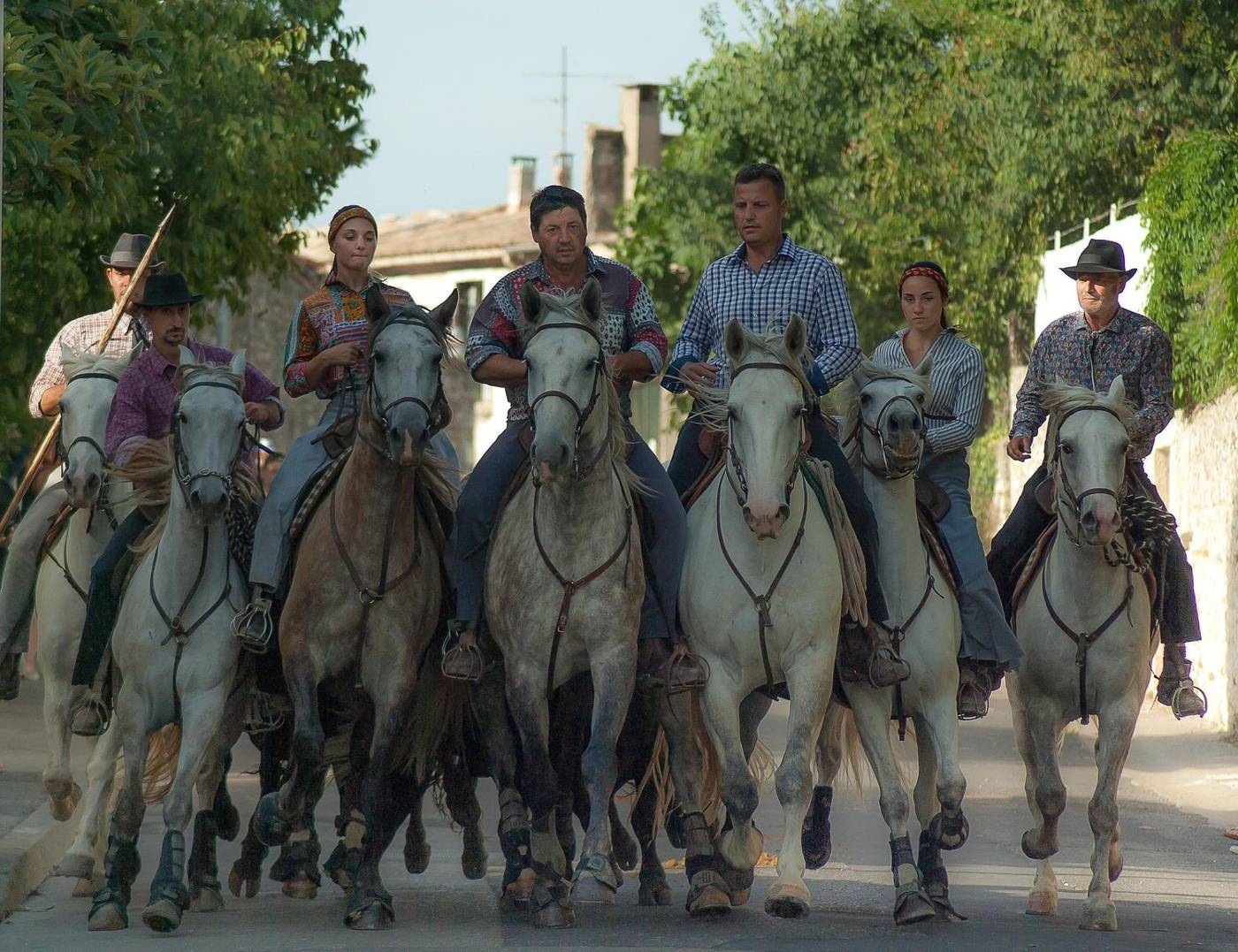
Nature & wildlife
The Camargue is, above all, a bird sanctuary — one of the most important in Europe. The Pont de Gau ornithological park, near Saintes-Maries, lets you get close to flamingos, herons, egrets and birds of prey along raised wooden boardwalks — perfect with children and pushchair-friendly. It's the best place to see flamingos up close, in any season.
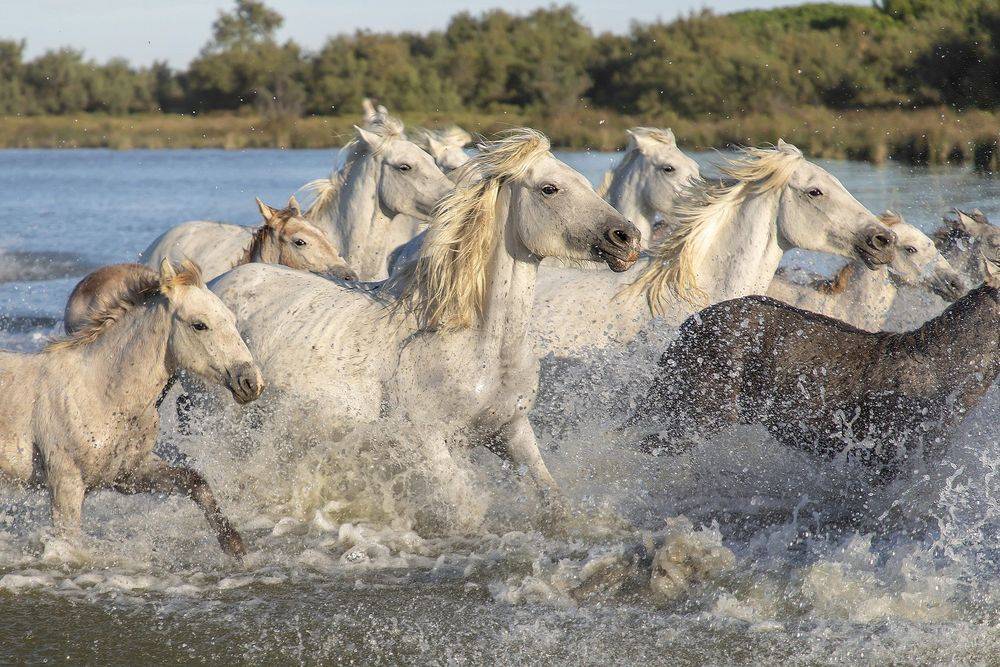
All around lie the lagoons, the rice fields and the salt flats of Aigues-Mortes, whose waters turn a striking pink as the season advances — the colour comes from a microscopic alga, the same one that feeds the flamingos and gives them their hue. It's also where the hand-harvested fleur de sel comes from.
Villages & traditions
Saintes-Maries-de-la-Mer
A fishing village clustered around its fortress-church, Saintes-Maries is the cultural heart of the Camargue. Every 24–25 May, the great Roma pilgrimage gathers the community around Saint Sara in a fervour unique in France — a powerful moment, but very crowded.
Aigues-Mortes
A fortified town built by Louis IX in the 13th century as a port of departure for the Crusades, Aigues-Mortes has kept its intact ramparts, which you walk along the wall-top path, with the Tour de Constance as the high point. The view plunges over the pink salt pans and the plain. The grid of lanes inside is full of shops and terraces.
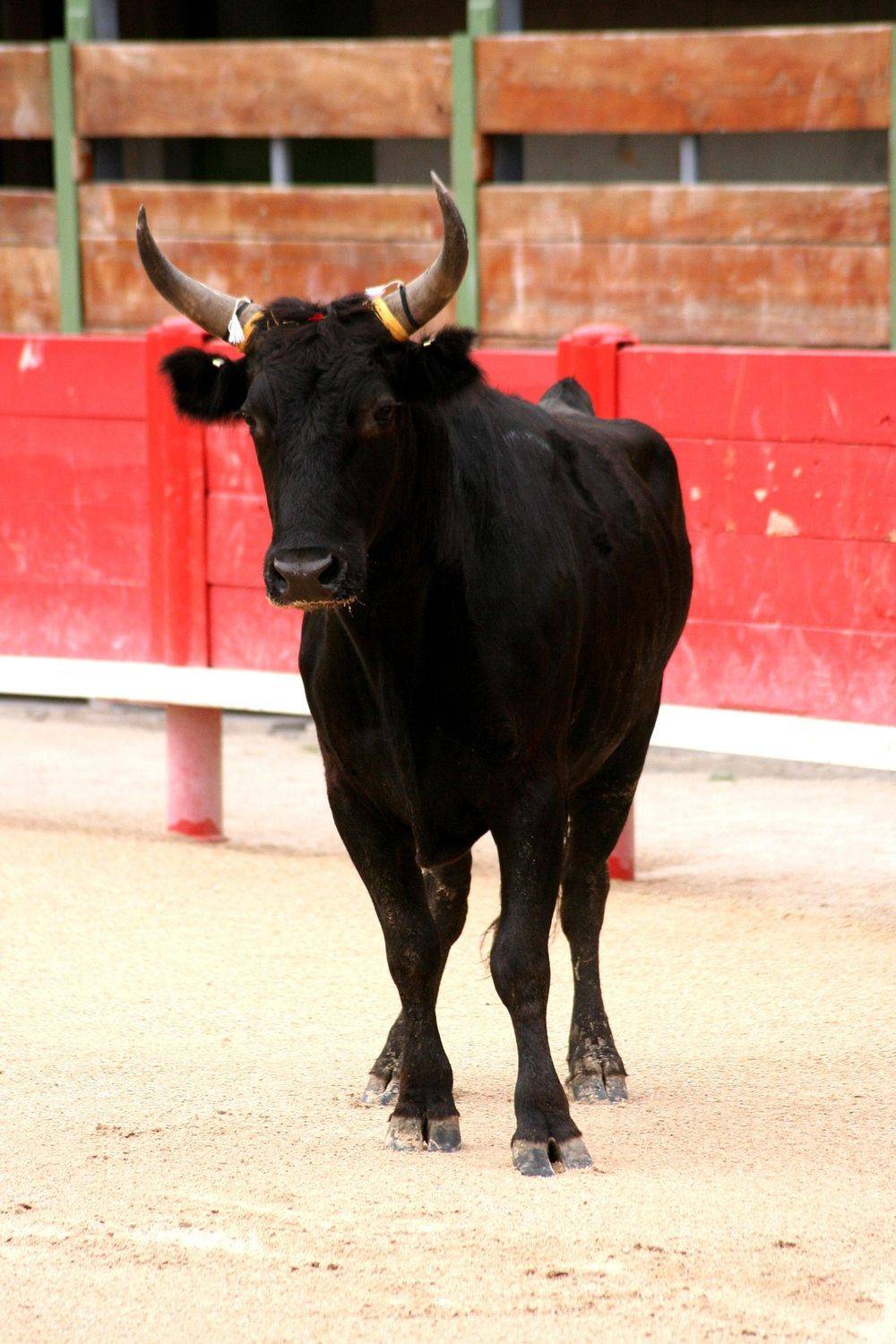
Manades: the authentic Camargue
To understand the region, nothing beats visiting a manade — the bull and horse ranches run by gardians, the local herdsmen. Many offer a 4×4 safari deep into the land, a horseback ride between lagoons and marshes, or a day with a bull-sorting demonstration (the ferrade) followed by a Camargue lunch — bull stew and Camargue rice. It's the experience families remember most, and the most authentic.
The course camarguaise, in which athletes try to snatch ribbons from a bull's horns (the bull leaves the ring alive and celebrated), takes place in village arenas all summer — free or nearly so, and very different from a bullfight.
Beaches & activities
Kilometres of wild sand: l'Espiguette and Beauduc for windswept open space, Le Grau-du-Roi for families (with its Seaquarium and busy port). You can also explore by bike along the digue à la mer sea wall, by kayak on the canals, or by tour boat from Saintes-Maries to see the delta from the water.
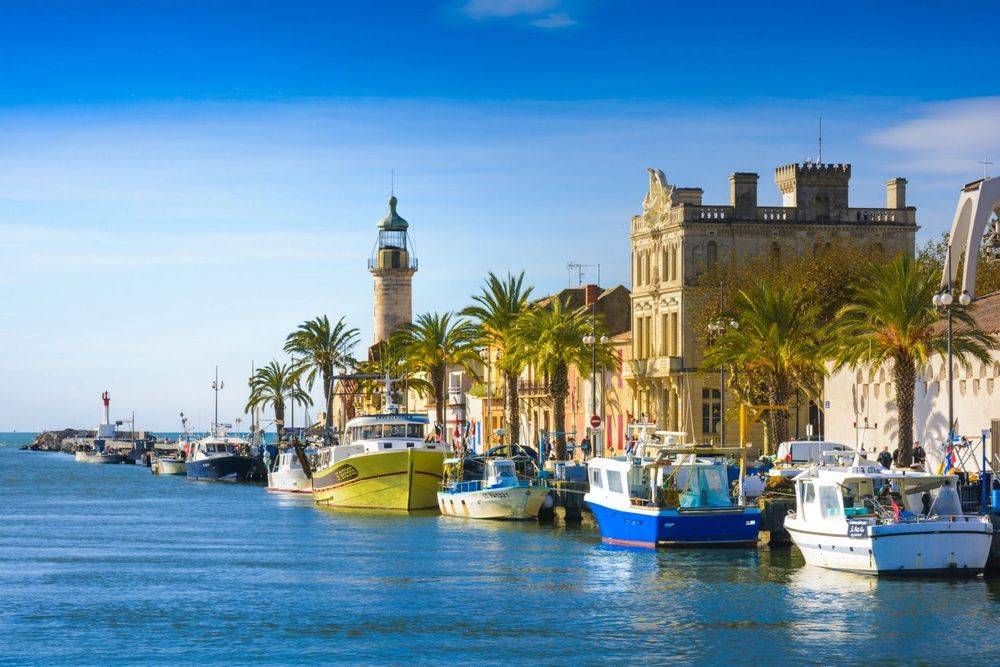
A day in the Camargue
Our typical day from Le Mas or Les Angles: morning at the Pont de Gau park when the birds are most active, then Saintes-Maries to wander and have lunch by the sea. Afternoon: your choice of Aigues-Mortes and its ramparts, or a wild beach if the weather plays along. For a more immersive day, swap all of that for a half-day at a manade (safari + lunch) — what we'd recommend for a first visit.
FAQ
When can I see pink flamingos?
Year-round at the Pont de Gau park, peaking in spring. They're most active in the morning, when the light is best too.
Is the Camargue good with children?
Ideal: the bird park, the beaches, horse rides and manades all appeal to every age. See our family guide.
How long should I allow?
One day for the essentials (Pont de Gau + Saintes-Maries + Aigues-Mortes), two to add the beaches and a manade.
Can you swim in the Camargue?
Yes: the beaches of Le Grau-du-Roi (family-friendly and supervised) and l'Espiguette (wild). The water is shallow and warm in summer.
How do I visit a manade?
Several manades welcome visitors by booking: 4×4 safari, horseback ride or a gardian day. Book the day before in high season.